A river in the way
Bureau of Reclamation engineers worked out that if Hoover Dam had been poured in one continuous block, its concrete would have taken 125 years to cool. It would still be cooling today. So it was built instead as separate columns, chilled from the inside with ice water, and when it was finished in 1935 it stood 726 feet, about 221 metres, from foundation rock to the roadway on its crest: the tallest dam in the world.
Before any of that concrete could go in, the men in Black Canyon had to move a river.
Left alone, the Colorado flooded in the spring and dried up in the summer. "Every spring they awaited with dread the coming of a flood," Franklin Roosevelt later said of the people of California's Imperial Valley. In 1905 the river broke through the diversion works near the Mexican border and poured north into the valley, filling a desert basin to make the Salton Sea.
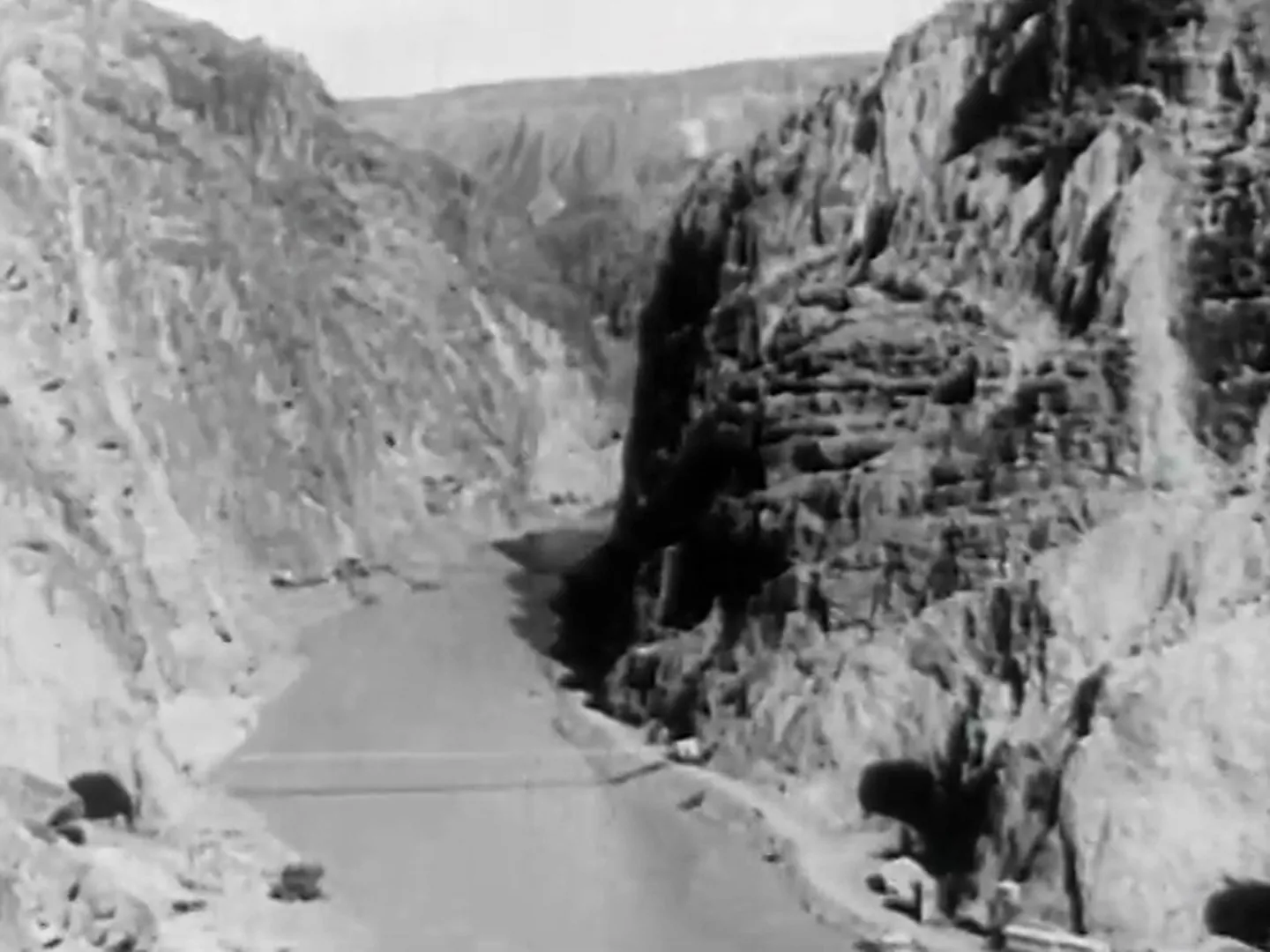
On December 21, 1928, President Calvin Coolidge signed the Boulder Canyon Project Act. It called for a dam to control the floods, store water for farms and cities, and generate power. The site chosen was Black Canyon, on the Arizona-Nevada state line, about 50 kilometres from Las Vegas, then a town of about 5,000 people.
The men who came
In the depths of the Depression, the government received only three bids. The lowest, $48,890,995.50, came from a group of western builders bidding together under one name: Six Companies. Their man on the ground was Frank Crowe, a veteran dam builder who had spent 20 years with Reclamation.
Thousands of unemployed men and their families poured into Las Vegas, hoping for work. Many camped on the floor of Black Canyon, near the construction site, in a settlement called Ragtown, made of tents, cardboard boxes and anything else families could find. In the summer of 1931 the canyon floor reached well over 120 degrees Fahrenheit, around 50 Celsius. In the new diversion tunnels it reached 140 Fahrenheit, 60 Celsius. By the end of that year, 16 people had died of heat prostration.
Pay ran from 50 cents to $1.25 an hour, for eight-hour days. On August 7, 1931, Six Companies moved a group of diversion-tunnel workers to lower-paying jobs. Tunnel crews walked out, and within days Six Companies had stopped all work and laid off the whole workforce. The strikers wanted clean water, flush toilets, ice water on the job, and for the company to obey the mining laws of Nevada and Arizona. Crowe rejected every demand. Afraid of losing their jobs, the strikers voted to go back.
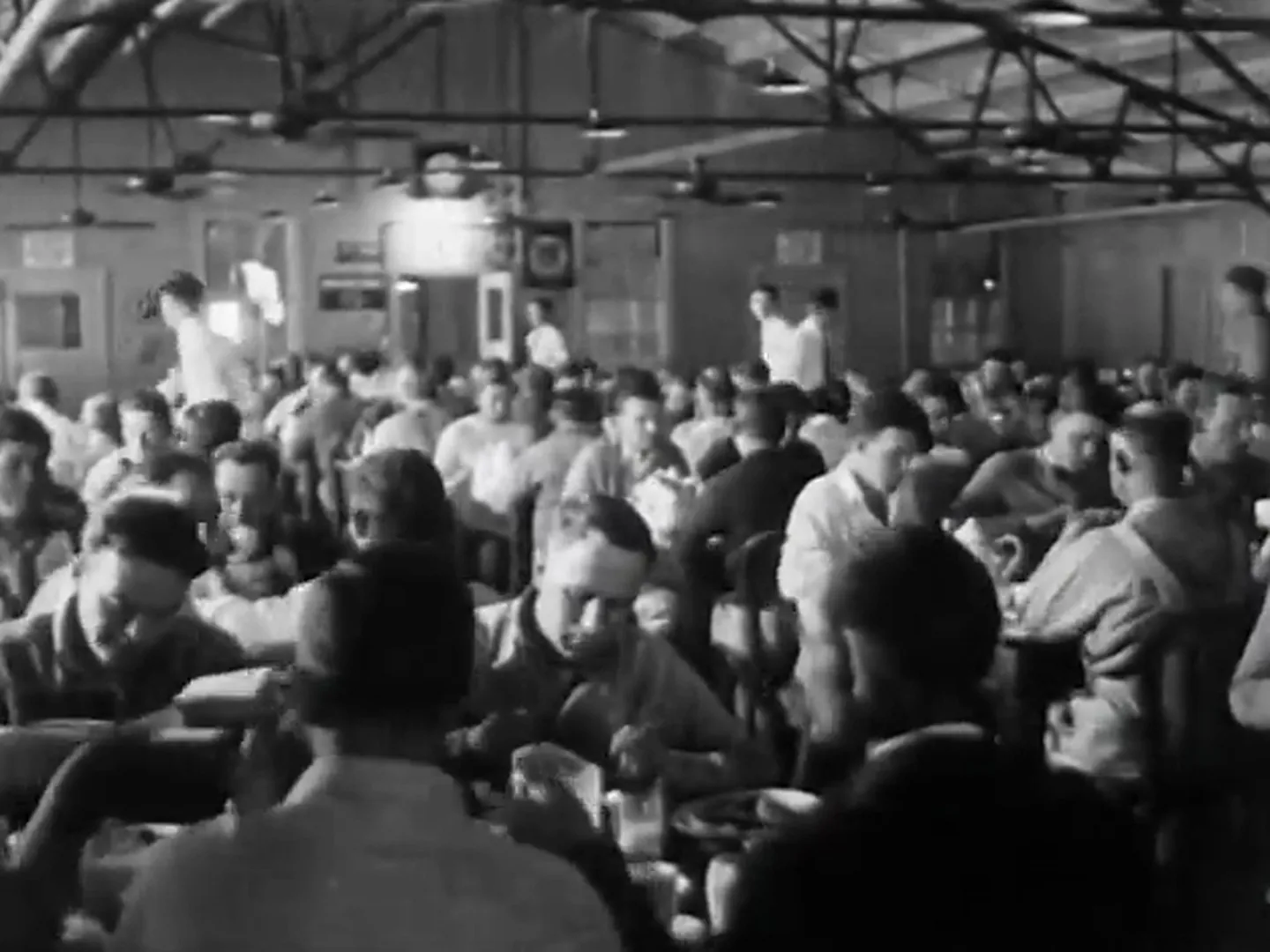
The pay cut stood, but Six Companies pledged it would be the last, and work was sped up on housing in a new town for the workers: Boulder City. It had large dormitories for single men and cottages of one, two and three rooms for families. Gambling and drinking were banned, and Black workers were not allowed to live there.
Turning the river
To move the Colorado, Six Companies drove four tunnels through the walls of Black Canyon, two on each side of the river, each bored 56 feet, 17 metres, across. Together they ran for nearly 16,000 feet, more than three miles.
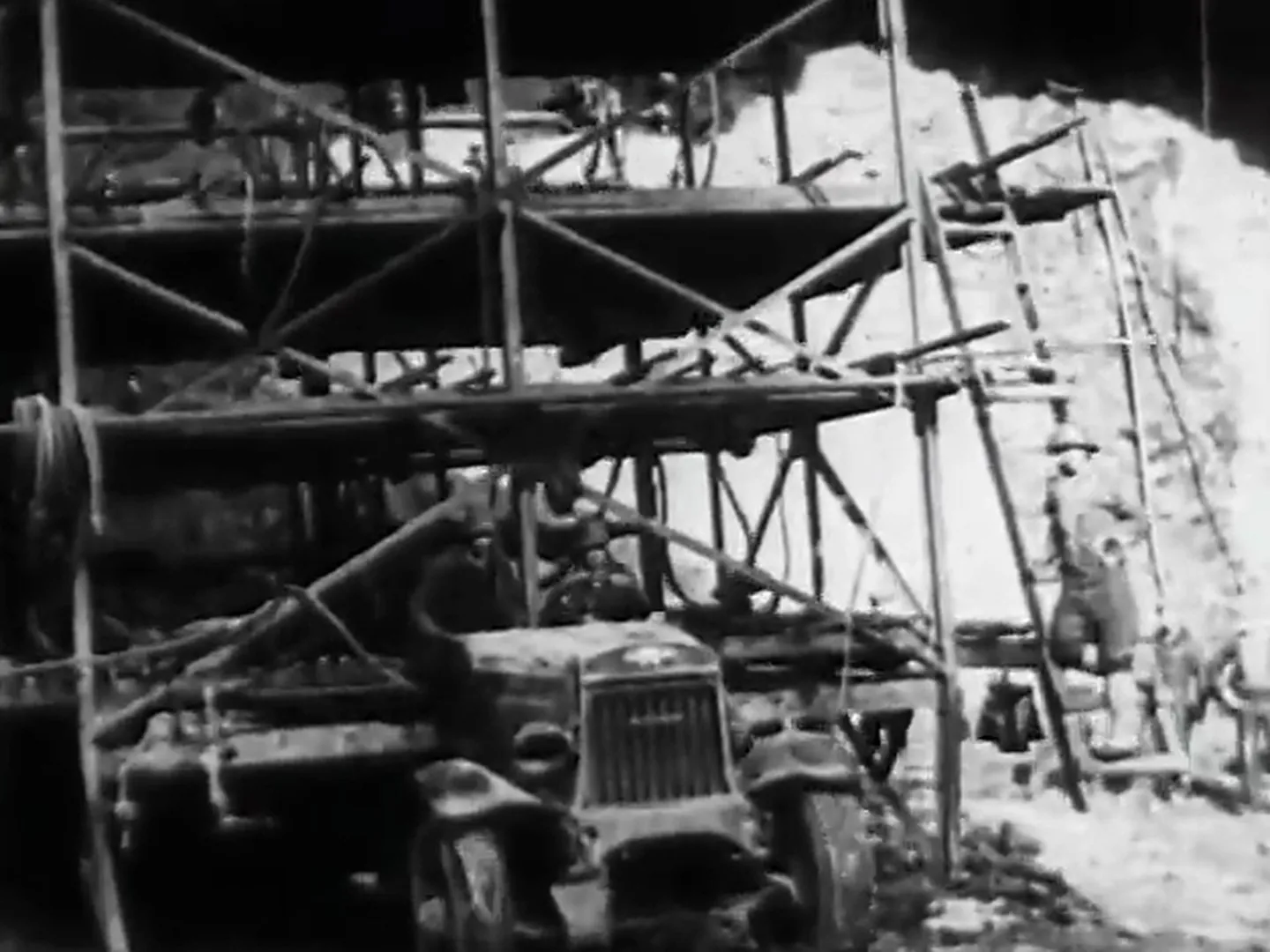
At the rock face worked the drilling jumbos, trucks carrying platforms of drillers: backed up to the face, they put 24 to 30 drills to work at once. Once lights were installed, the work went on around the clock.
The trucks that hauled out the broken rock ran on gasoline, and their exhaust was trapped in the tunnels, building up carbon monoxide. Nevada law banned gas-powered vehicles underground, and in 1931 the state's inspector of mines told Six Companies to stop using them or face a lawsuit. Federal lawyers argued that state law did not apply to a federal project. The trucks kept running. When men fell very ill, or even died, after working in the tunnels, company doctors said it was a form of pneumonia.
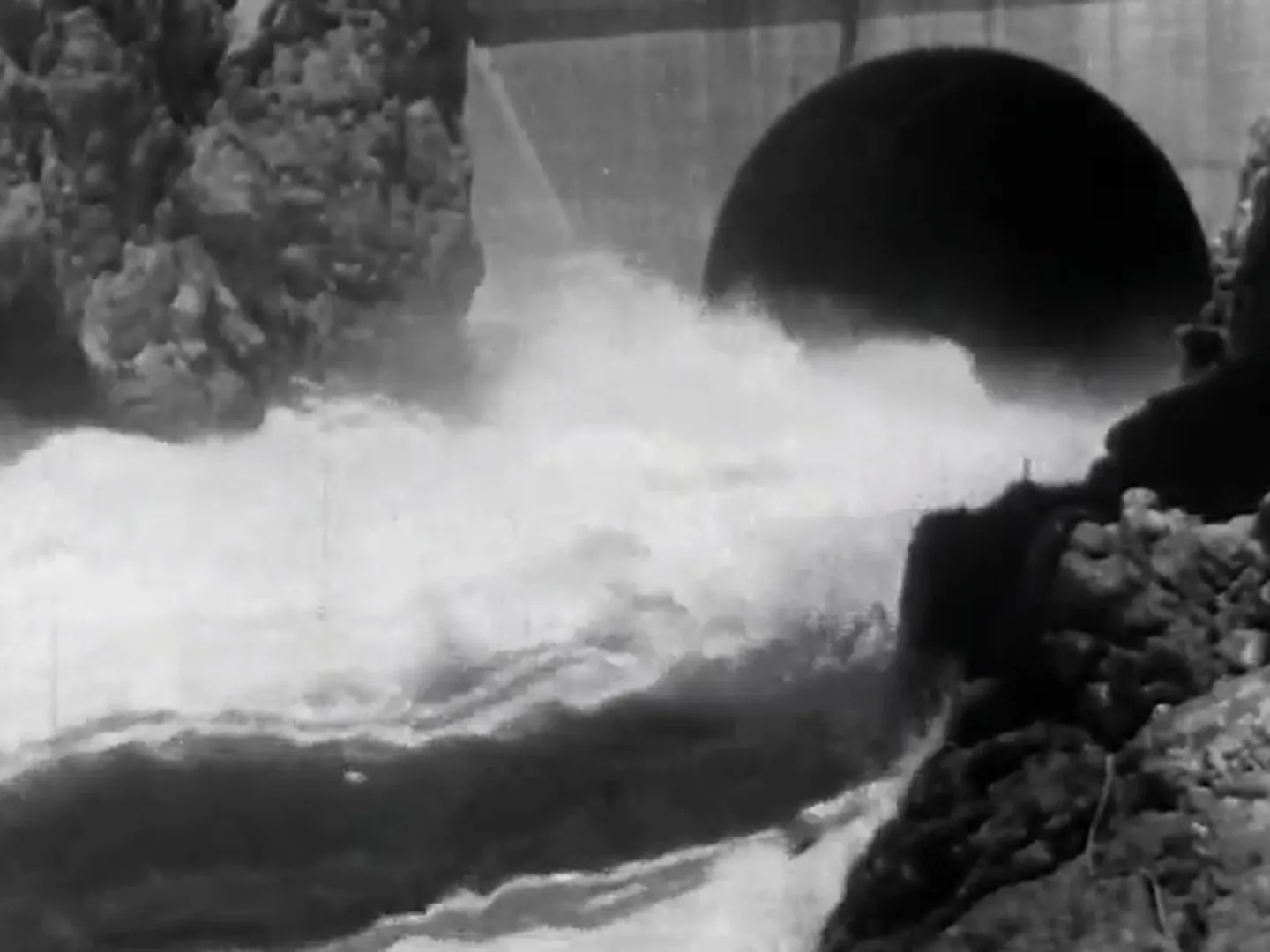
The tunnels were finished in November 1932, almost a full year ahead of schedule. Then more than 100 trucks dumped rock and earth into the river, one load every 15 seconds, all through the night. Early on the morning of November 14, 1932, the whole Colorado turned and ran into the tunnels.
Cofferdams sealed the site off above and below. The upper one stood 98 feet high and was 750 feet thick at its base. Between them, in the dry riverbed, the men dug through thousands of years of accumulated silt to reach sound rock.
Men on ropes
High above, millions of years of weather had worn at the canyon walls, and water freezing in the cracks had split the rock. All that loose rock had to come off before the dam could be built.
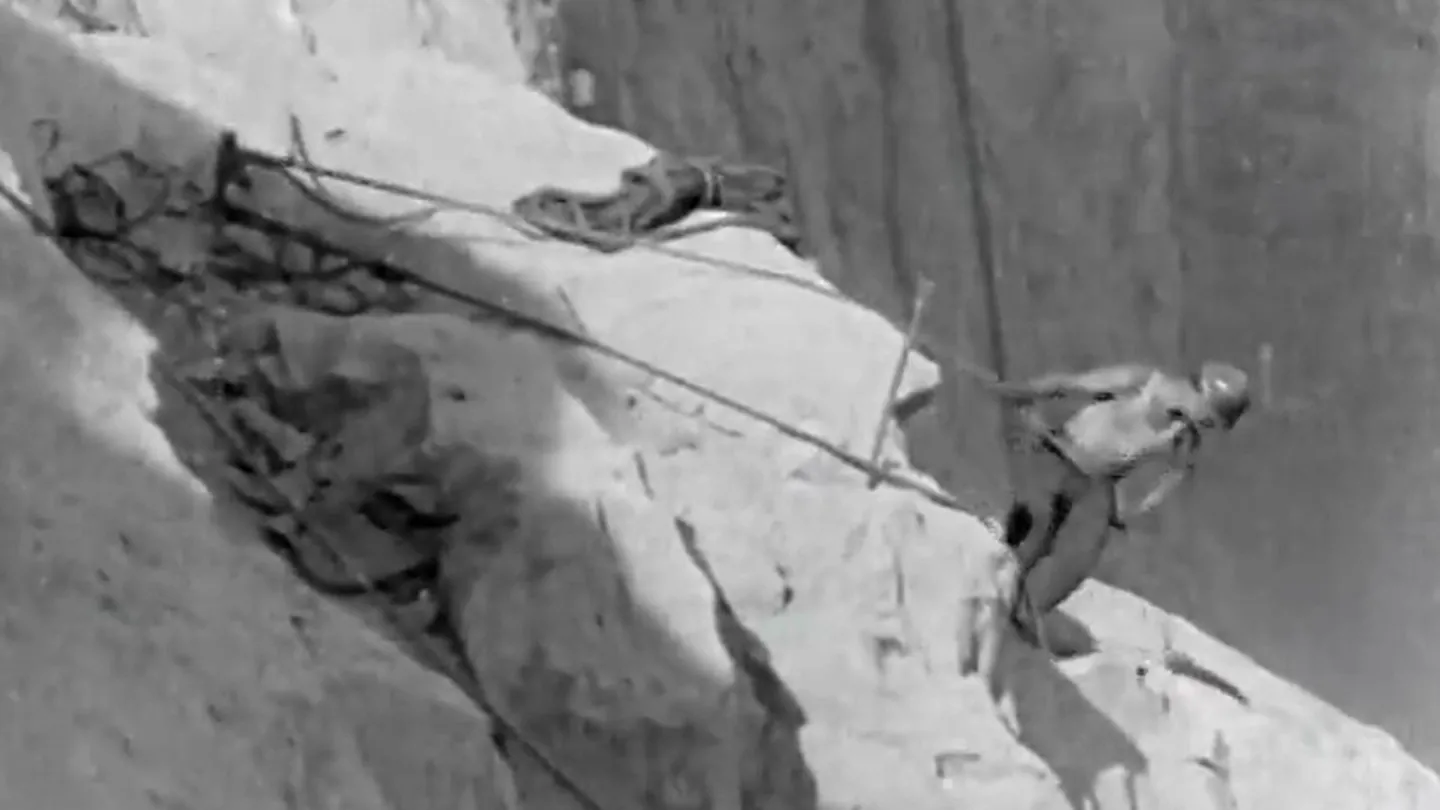
The men who did it were called high scalers. They climbed down the canyon walls on ropes and worked hanging over empty space. Jackhammers weighing 44 pounds, 20 kilograms, were lowered to them. They drilled the rock, loaded the holes with dynamite, and after the shot, broken stone sometimes had to be levered free with crowbars. Some had been sailors, some circus acrobats, and some were Native Americans. Reclamation calls it perhaps the most physically demanding work on the whole project.
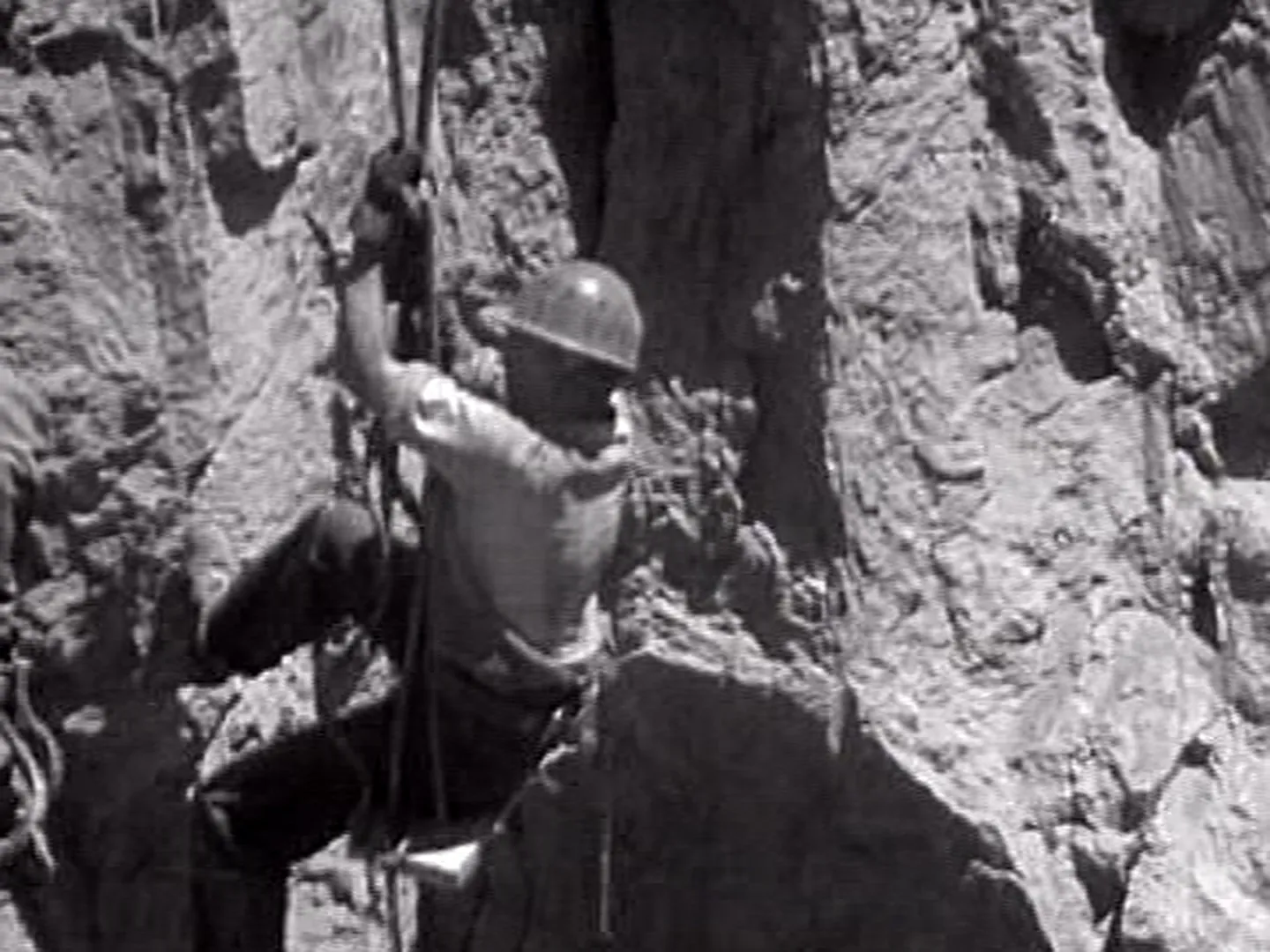
The danger from falling rocks and dropped tools was extreme, so the scalers made their own hard hats, coating cloth hats with coal tar. Several men were hit by falling rocks so hard that their jaws broke, yet their skulls were not fractured. Six Companies later issued commercially made hard hats to every man on the project.
One scaler, Louis "The Human Pendulum" Fagan, spent several weeks ferrying a crew around a jutting boulder on the Arizona side, twice a day, each man wrapping his legs around Fagan's waist.
On September 21, 1931, Jack Russell was stripping rock from the canyon wall. He fell 400 feet, about 120 metres, and died.
Other falls ended differently. Reclamation tells how Burl Rutledge, one of its engineers, slipped from the canyon rim. Twenty-five feet below, the high scaler Oliver Cowan heard him, swung out on his rope and caught him by the leg in mid-air. A few seconds later another scaler, Arnold Parks, swung over and pinned him to the wall, and they held him until a line could be dropped and tied around him. The shaken engineer was pulled to safety, unharmed.
Pouring the dam
The first concrete went into the dam on June 6, 1933, and it came from above. Nine cableways spanned the canyon, lowering bottom-dump buckets of up to 8 cubic yards, about 6 cubic metres, to the men in the forms.
The dam rose as some 215 blocks in vertical columns, from about 60 feet square at the upstream face to about 25 feet square at the downstream face. No block could rise more than five feet, a metre and a half, in 72 hours. The reason was heat. Setting concrete gives off a tremendous amount, and poured as one mass, the dam would have cracked as it cooled.
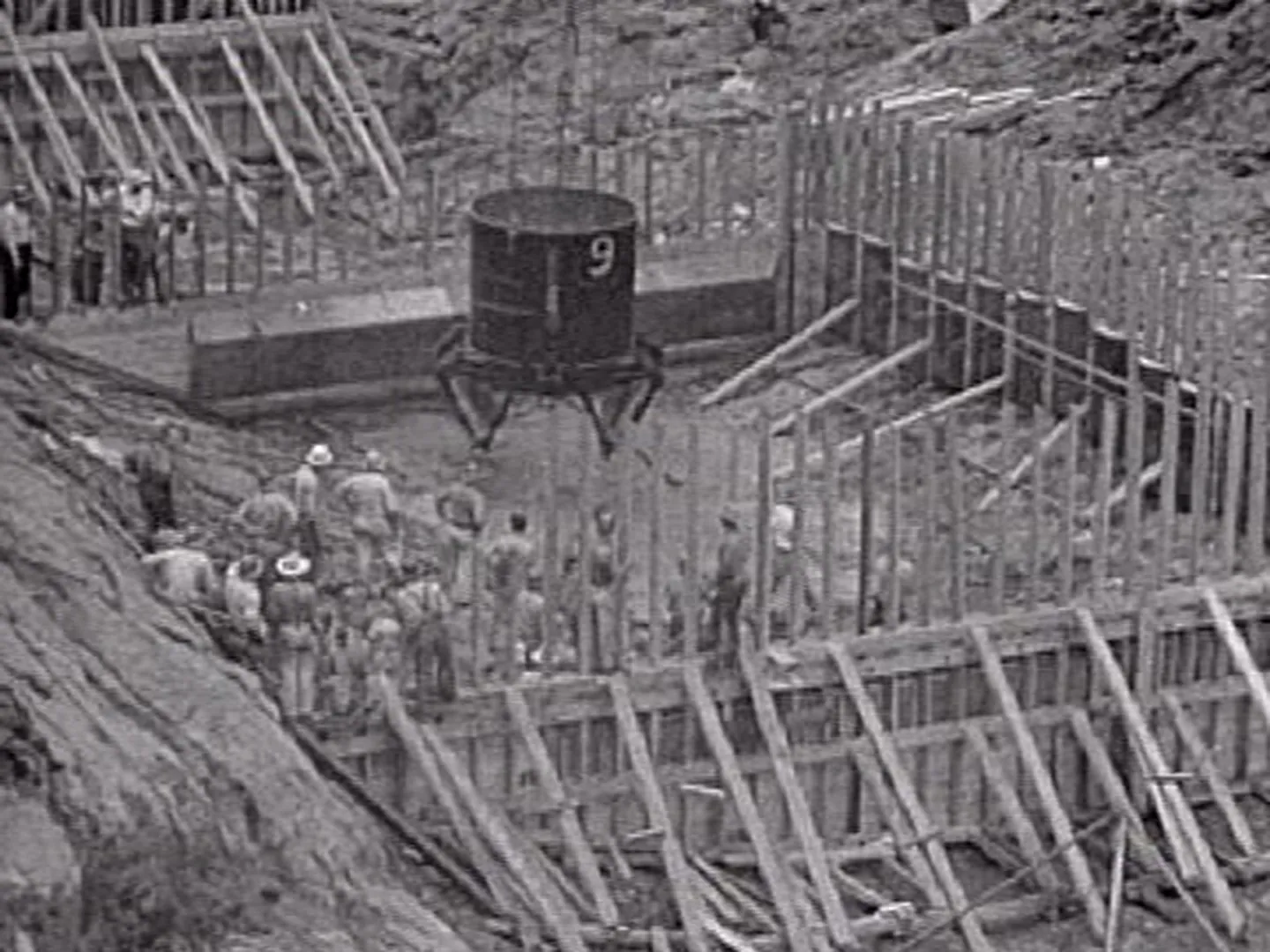
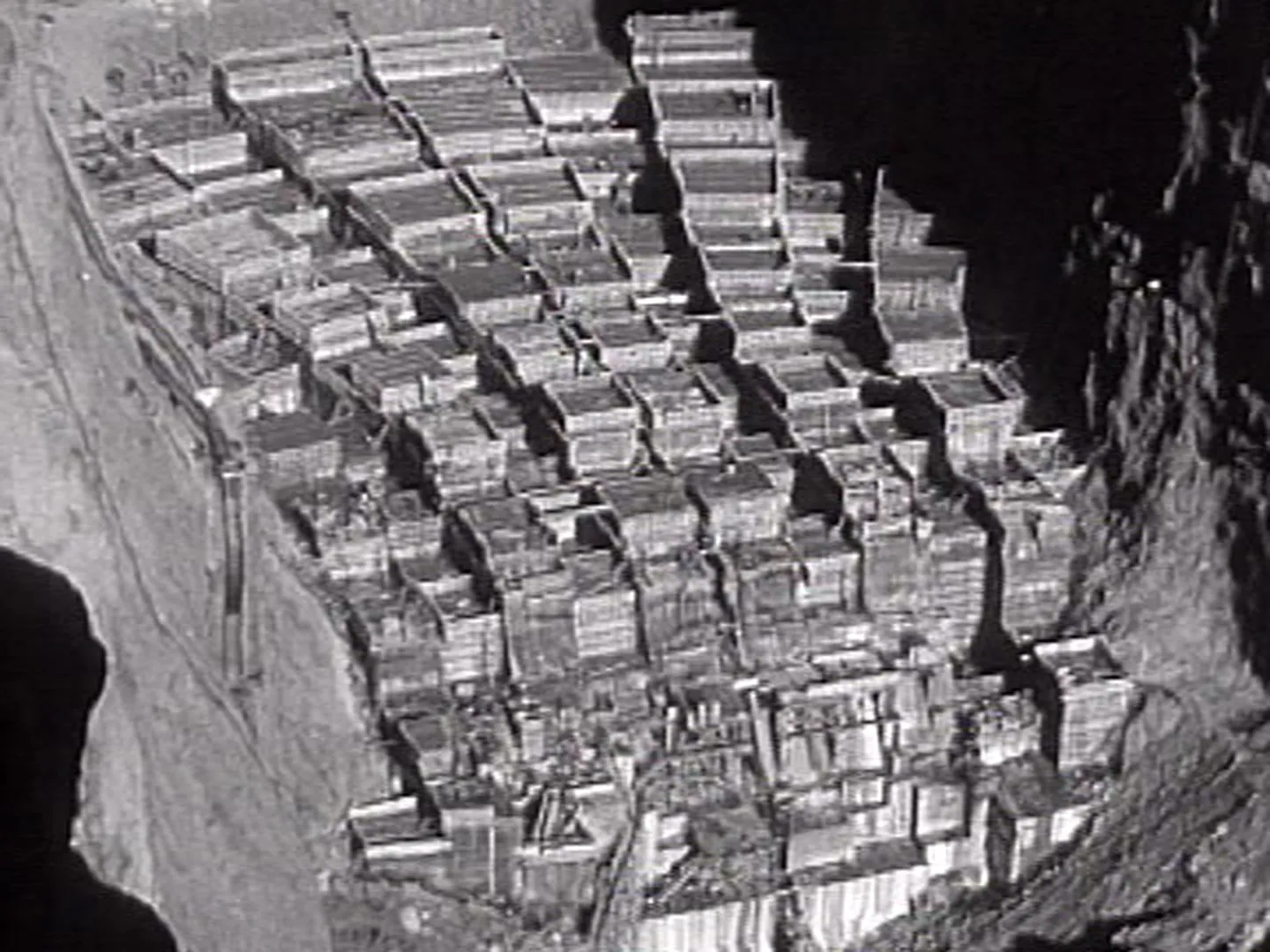
So every block was laced with one-inch steel pipe. River water ran through it first, then ice water from a refrigeration plant at the lower cofferdam, with the cooling power of 1,000 tons of ice a day, about 900 tonnes. Altogether, more than 582 miles of pipe went into the concrete, over 930 kilometres. When a block had cooled, its pipes were filled with grout, and grout was forced into the joints between the blocks, bonding the dam into a single mass.
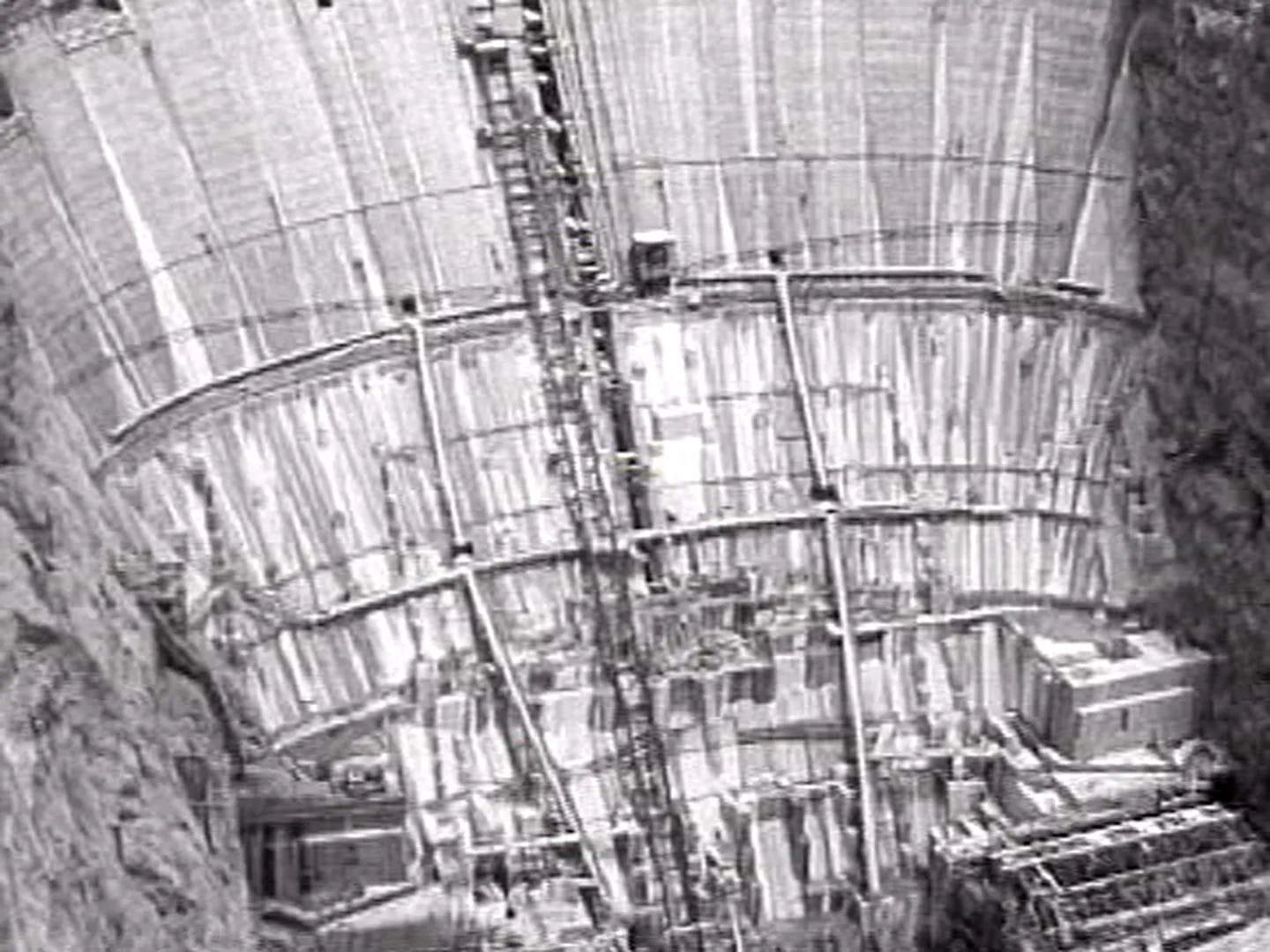
The last concrete went in on May 29, 1935: three and a quarter million cubic yards in the dam, about 2.5 million cubic metres. Reclamation says Hoover Dam was the first structure built by people to exceed the masonry mass of the Great Pyramid of Giza. With the power plant and the other works, there was enough concrete to pave a highway 16 feet wide, about five metres, from San Francisco to New York.
Two years early
On September 30, 1935, President Franklin Roosevelt came to dedicate the dam. "This morning I came, I saw and I was conquered," he said, "as everyone would be who sees for the first time this great feat of mankind."
In his speech he called it Boulder Dam. In 1930 the Secretary of the Interior, Ray Lyman Wilbur, had ordered that it be called Hoover Dam, but from 1933 the Roosevelt administration called it Boulder Dam, and the name Hoover Dam was not restored until 1947, in a resolution signed by President Harry Truman.
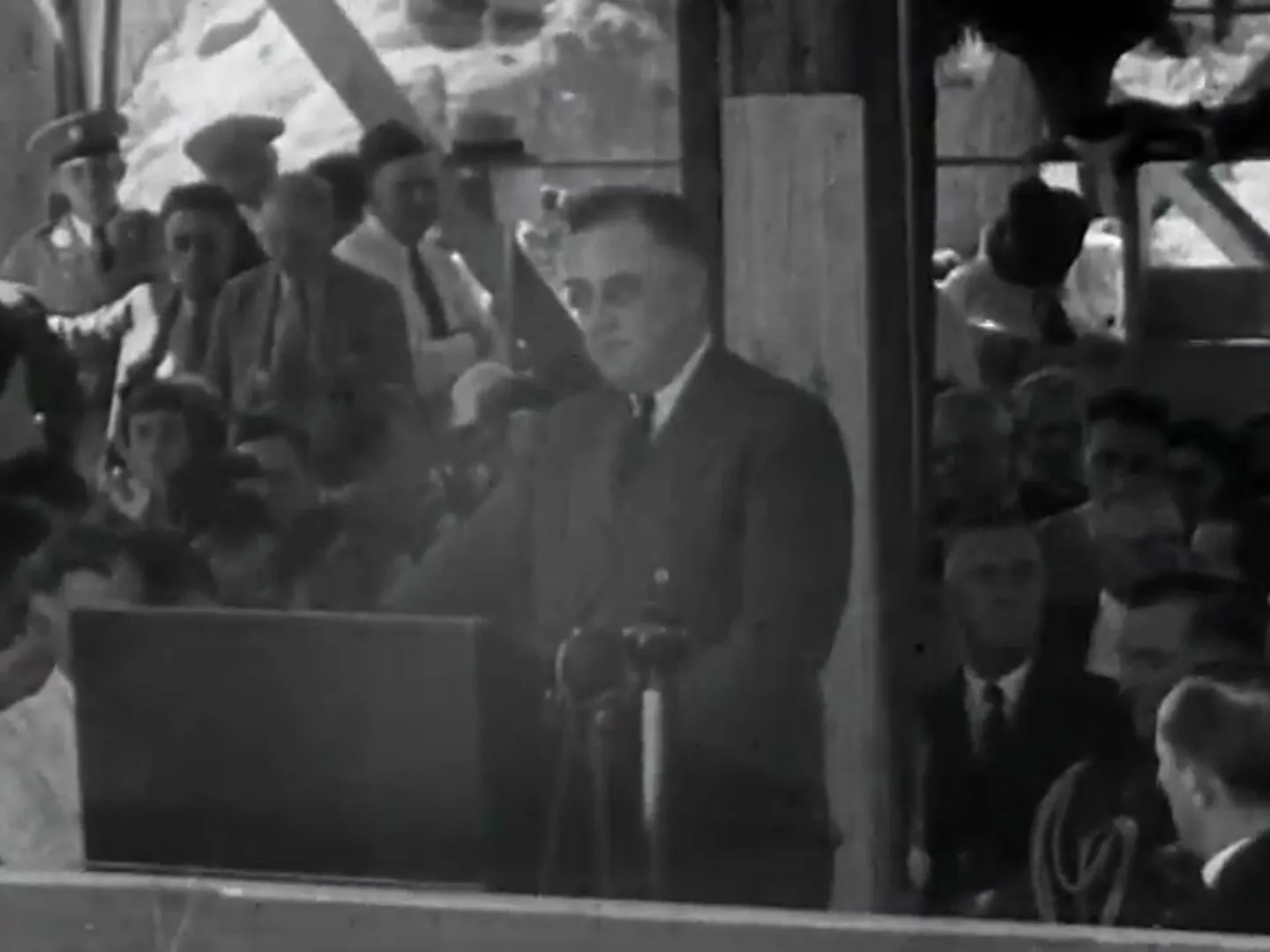
The contract had allowed seven years from April 20, 1931. On March 1, 1936, more than two years early, the government formally accepted the dam. The dam's first generator went into full operation on October 26, 1936. For about ten years from 1939, its power plant was the largest hydroelectric plant in the world.
It is still working. In an average year the dam generates about 4 billion kilowatt-hours, enough to serve 1.3 million people in Nevada, Arizona and California. And Lake Mead can store the entire average flow of the Colorado for two years: the same river that once broke loose and filled the Salton Sea.
The price
Officially, 96 men died building Hoover Dam. The count includes only men who died at the dam site, classed as industrial fatalities; it leaves out deaths from heat, pneumonia and heart trouble.
The project's own records list 213 deaths of every kind through 1935, on the job and off it. Forty-two of them were put down as pneumonia. Workers were certain the "pneumonia" was really caused by the fumes in the tunnels. It was never officially proven. In 1933, six tunnel workers sued Six Companies for carbon monoxide poisoning, each seeking $75,000 plus lost wages. The company hired a private detective to dig into their pasts, then settled out of court with 50 plaintiffs for an undisclosed sum. Reclamation's own learning packet says several dozen more died later, from heat or carbon monoxide poisoning suffered on the job.
The historian Dennis McBride puts it plainly: "There is no dependable number. There just isn't."
And despite the legend, no one is buried in the concrete. The concrete rose only slightly at any one time, and several men watched each placement, so Reclamation says it would have been virtually impossible for anyone to be buried in it.
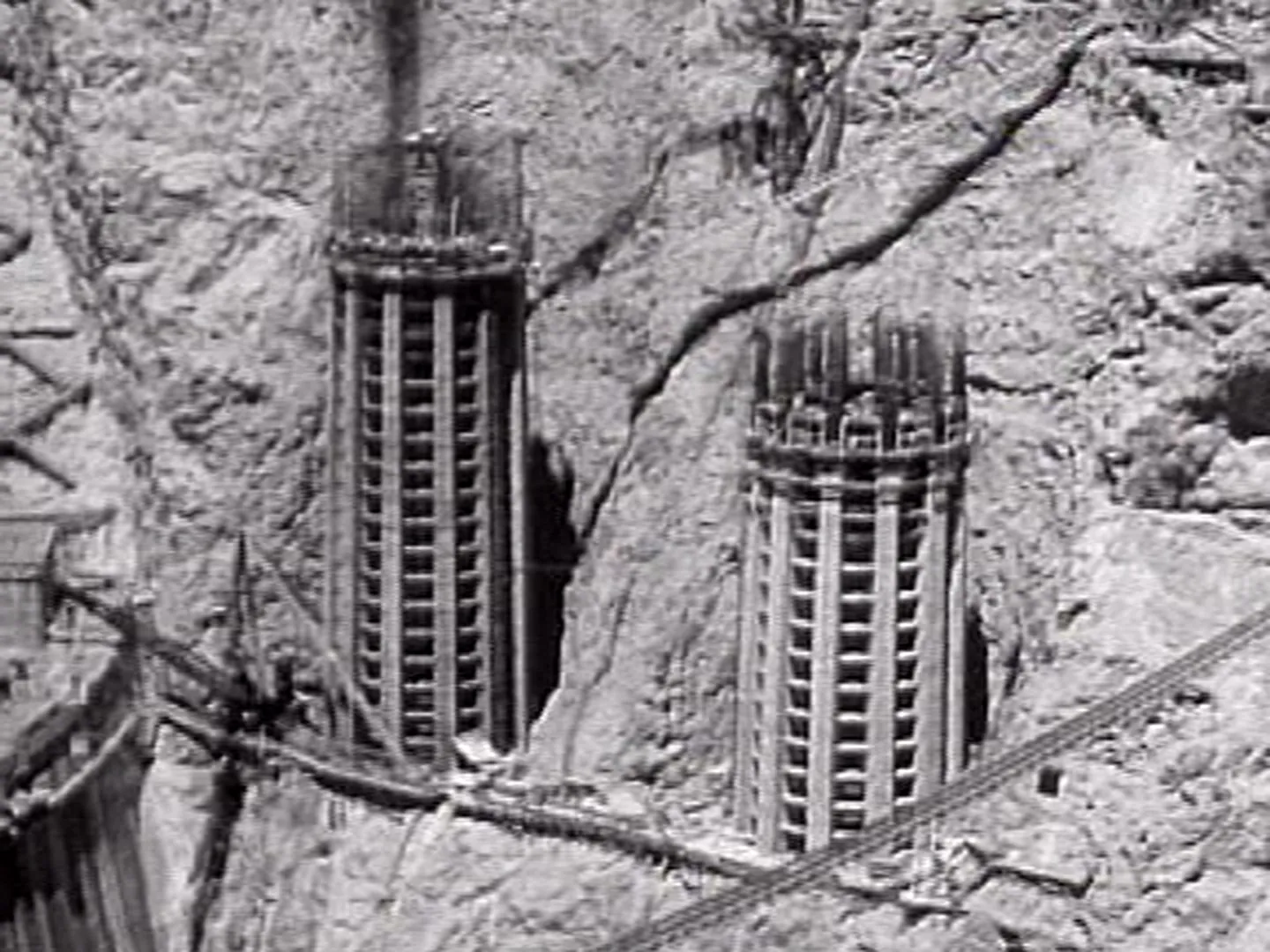
But one story is true. J.G. Tierney, a Reclamation man on a survey crew working from barges on the Colorado to find the dam site, drowned in the river on December 20, years before construction began. His only son, Patrick, worked on the dam. On December 20, 1935, the same date, he fell to his death from one of the intake towers. He is often called the last man to die building Hoover Dam.
Near the dam, a bronze plaque remembers the 96 men who officially died. It begins with seven words: "They died to make the desert bloom."