Program alarm
On 20 July 1969, a small spacecraft called Eagle was descending towards the Moon with Neil Armstrong and Buzz Aldrin on board. About five minutes into the powered descent, its guidance computer raised an alarm, and Armstrong read out the code: 1202.
He asked Houston for a reading on it. The computer was overloaded by an unexpected flow of rendezvous-radar data, and Eagle was about seven minutes from the surface.
In Mission Control, the guidance officer, Steve Bales, judged that the landing was not at risk. Seconds after Armstrong asked, the answer came back from Houston: “We're go on that alarm.”
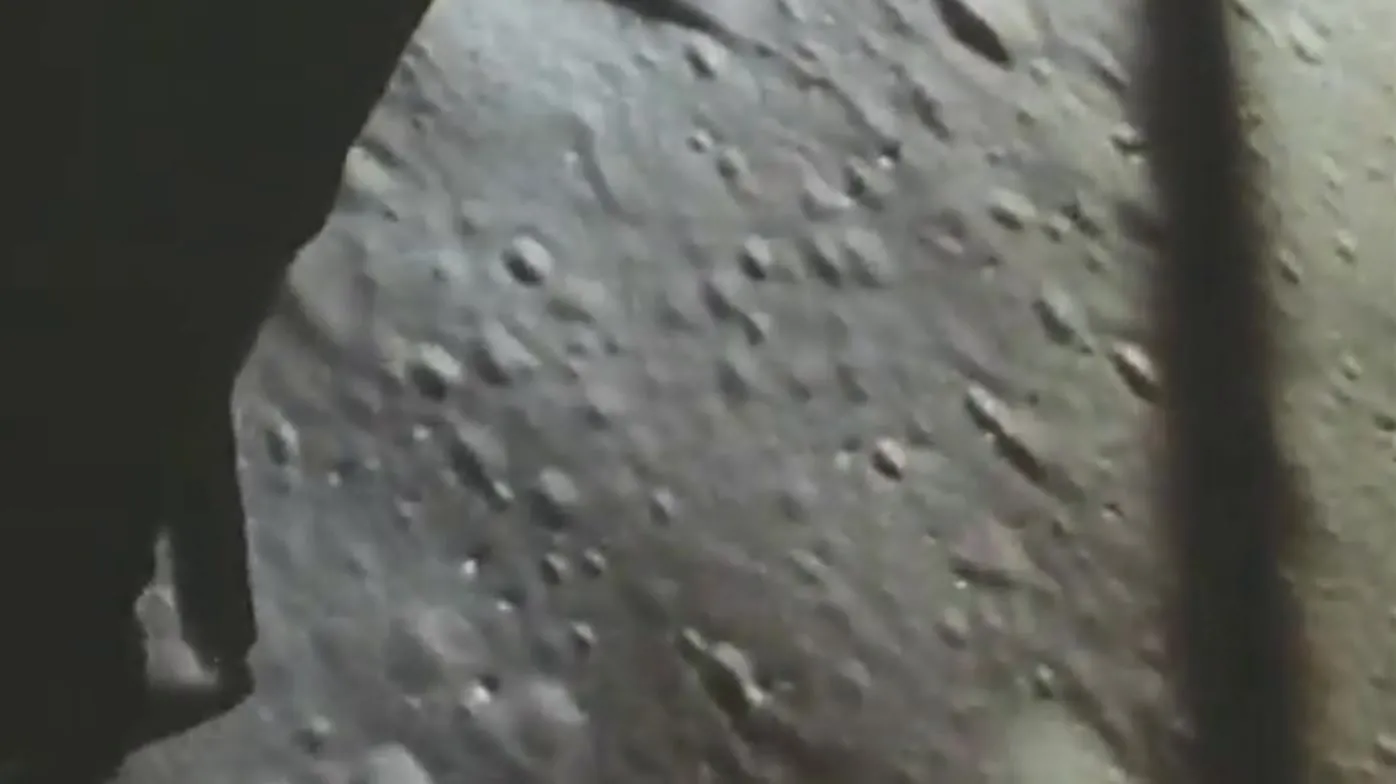
The alarms kept coming, five in all, on and off for more than four minutes. And the computer was steering Eagle towards a crater ringed with boulders.
Leaving Earth
Four days earlier, on 16 July, Armstrong, Aldrin and the third member of the crew, Michael Collins, had been sitting on top of a Saturn V rocket 111 metres tall, 363 feet. At launch it would push with about seven and a half million pounds of thrust. By one estimate, more than a million people were in the area to watch.
All three astronauts were born in 1930: Aldrin in January, Armstrong in August and Collins in October. At 39, Aldrin was the oldest.
The launch window opened at 9:32 that morning, Eastern Daylight Time, and Apollo 11 lifted off from Pad 39A at the Kennedy Space Center at the start of it.
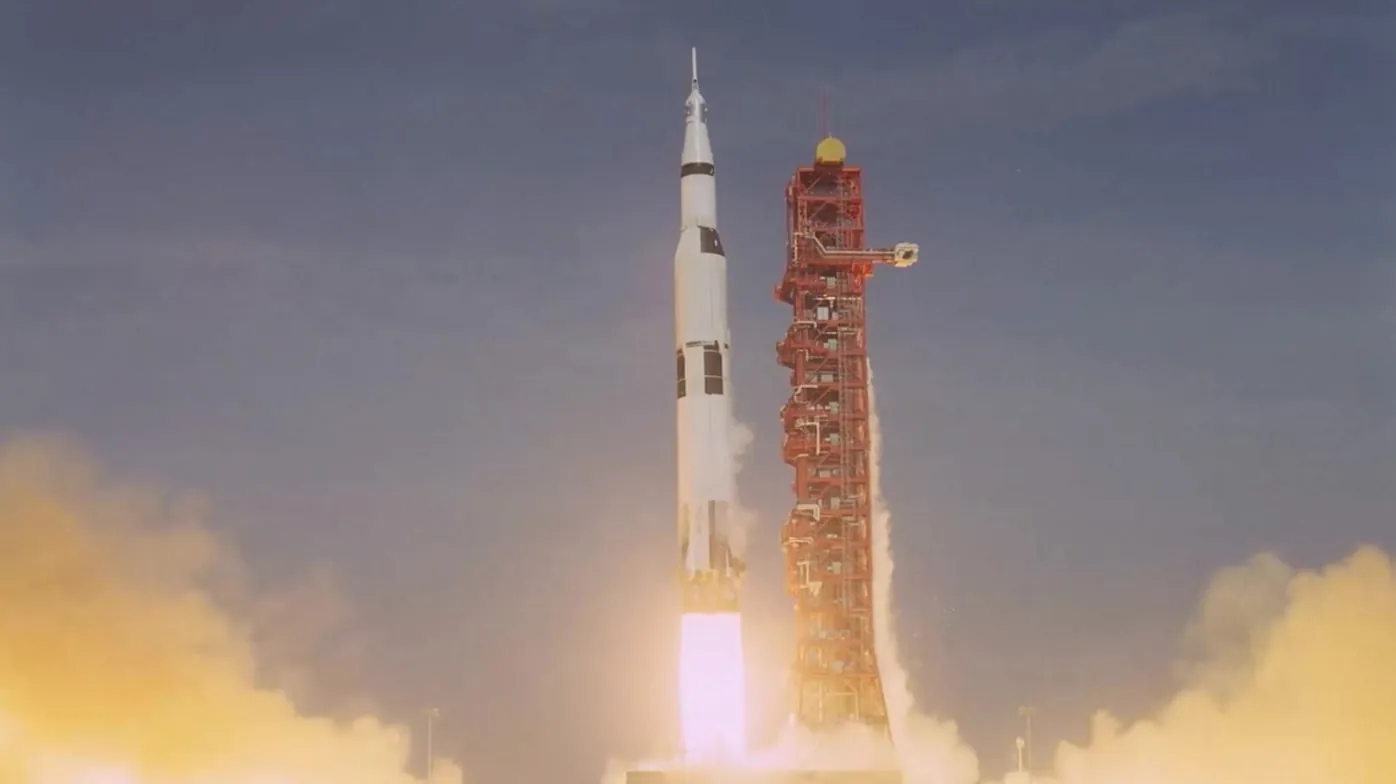
About twelve minutes later, they were in Earth orbit. Two hours and 44 minutes after launch, the rocket's third stage fired again, for almost six minutes. When it shut down, Apollo 11 was moving at almost 11 kilometres a second, fast enough to coast all the way to the Moon.
The far side
For three days they coasted, and Earth's gravity pulled back on them the whole way. By the time they crossed into the Moon's sphere of influence, where its gravity took over, 345,000 kilometres from Earth, they had slowed to less than a tenth of their starting speed.
As they closed in, the Sun slipped behind the edge of the Moon. “It's quite an eerie sight,” said Aldrin.
On 19 July they swung behind the Moon, out of radio contact with Earth, and fired their main engine for about six minutes to brake into lunar orbit. Had it failed to fire, they would have come back into contact about ten minutes early. In Houston, that time came and went in silence: “We're past the no-burn acquisition time now,” the mission commentary announced, “and we have received no signal.” On the far side, the burn had worked. “What a spectacular view!” said Armstrong.
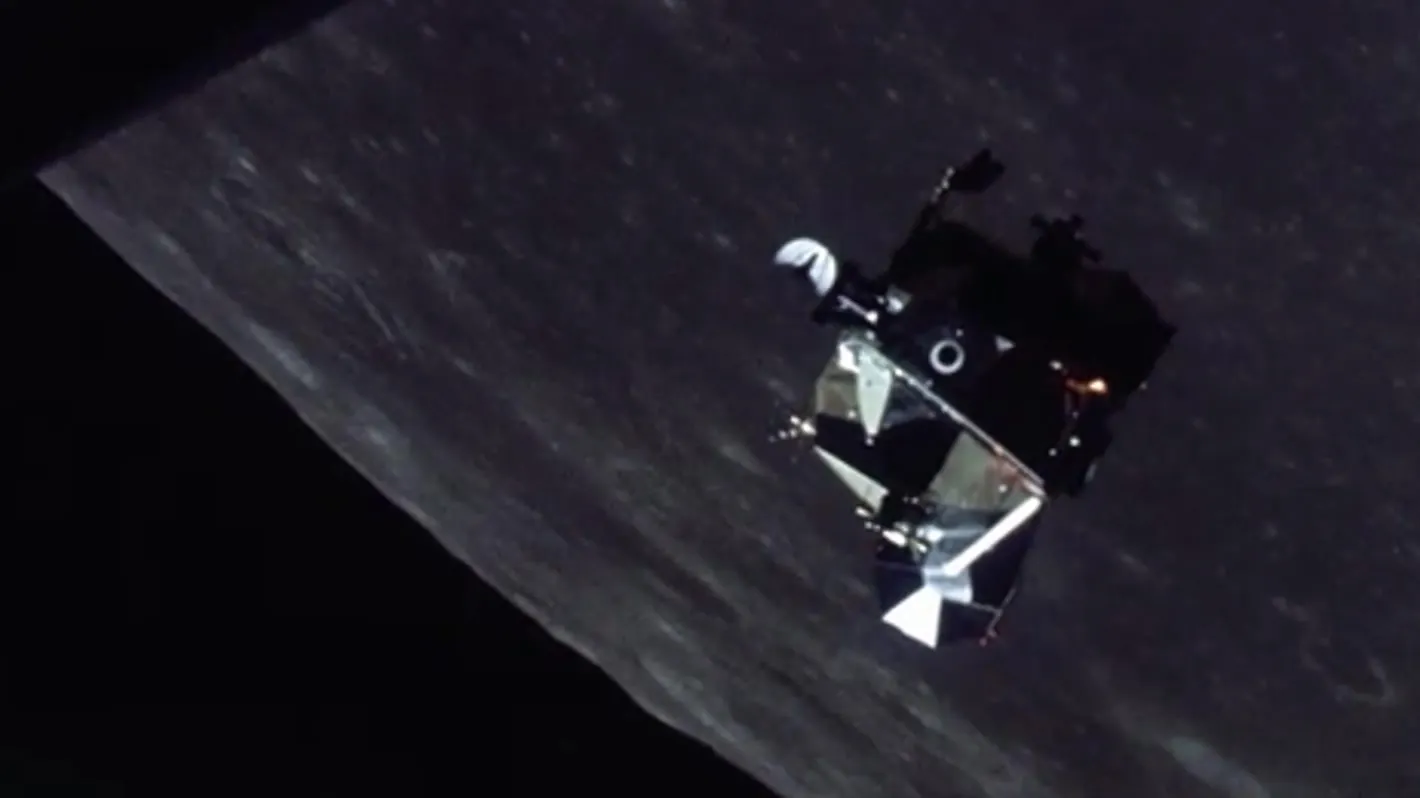
The next day, Armstrong and Aldrin moved into Eagle and undocked. “The Eagle has wings,” Armstrong reported.
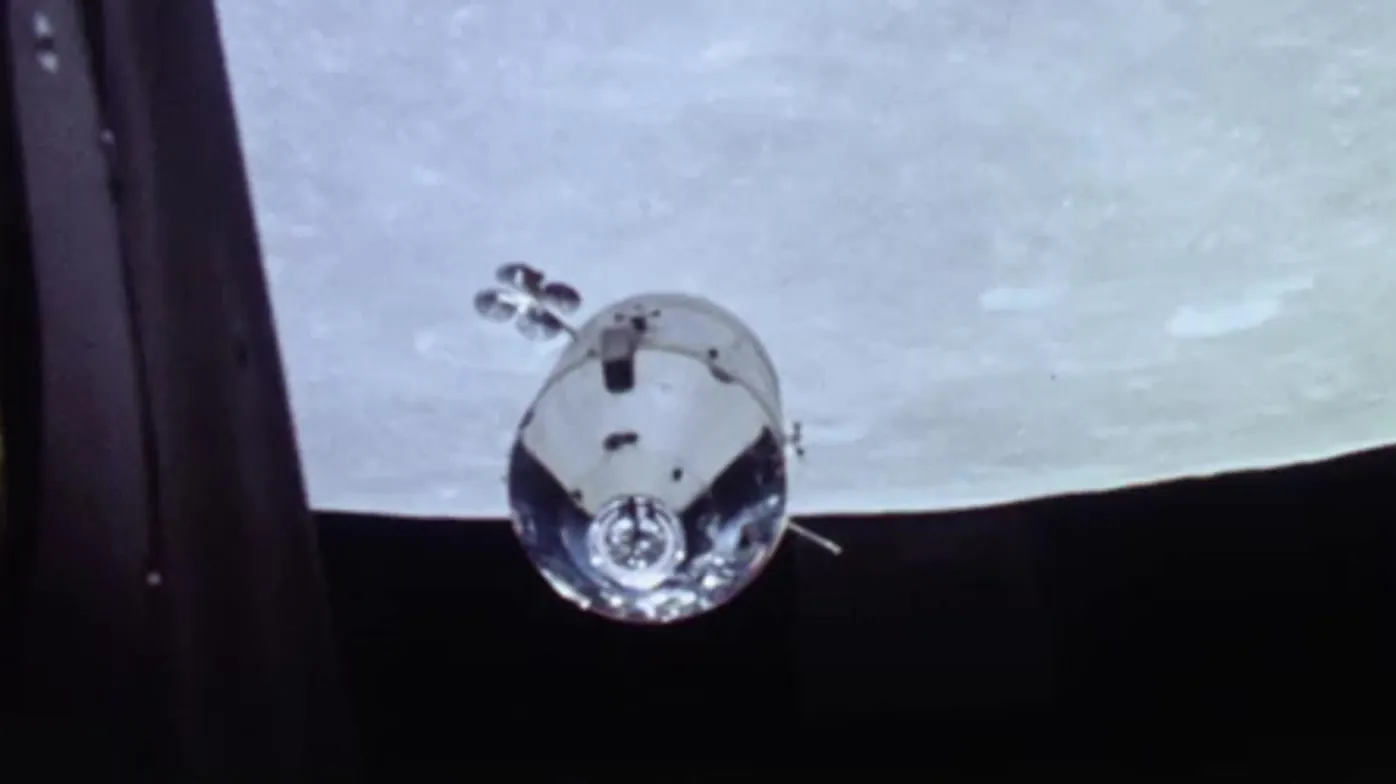
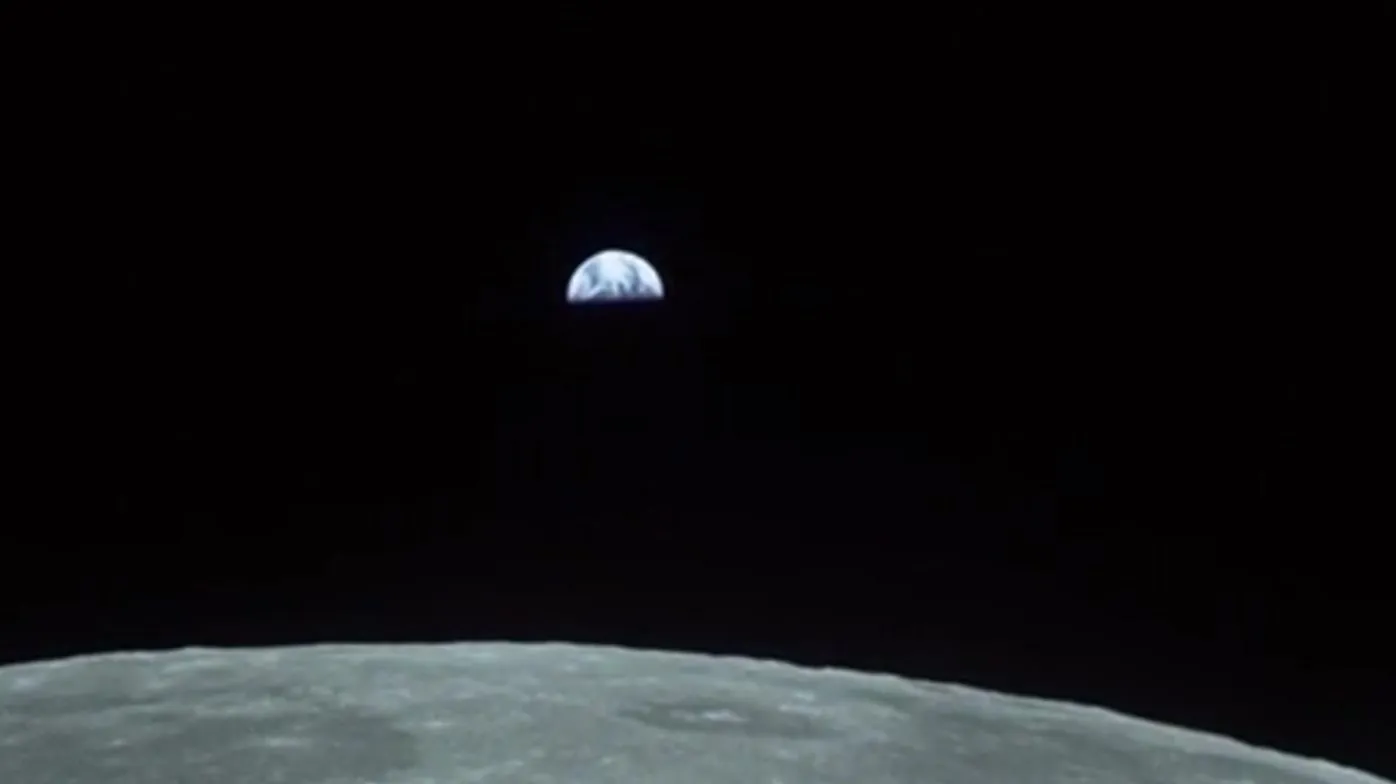
Collins stayed behind in the command module, Columbia, circling about 110 kilometres up, once every two hours or so. Each time he passed behind the Moon, he lost contact with everyone for about three quarters of an hour. If a count were taken, he later wrote, “the score would be three billion plus two over on the other side of the moon, and one plus God knows what on this side.” But, as he put it: “Far from feeling lonely or abandoned, I feel very much a part of what is taking place on the lunar surface.”
Sixty seconds
Back in Eagle, the alarms were still coming. Only below 2,000 feet could Armstrong look out and see the landing area. The computer's automatic targeting was taking them into what he called “a football-field-sized crater”, with big boulders and rocks all around it. The crater, known as West Crater, measures about 165 to 190 metres across, and the boulders around it are up to two or three metres in size.
“Pretty rocky area,” Armstrong said. He took over by hand, brought Eagle almost upright so that it kept its forward speed instead of braking, and flew on to the west over the boulders, looking for a reasonably good place to land.
Every second of searching burned fuel. Then the low-fuel light came on, with 5.6 percent of the propellant left, and Aldrin called out: “Five percent.” In Houston, the light started a 94-second countdown to “Bingo”, the call that meant land within 20 seconds or abort.
“60 seconds,” called Charlie Duke from Houston. Eagle was less than 100 feet up, and its engine was blowing dust across the surface. “30 seconds.” Nine seconds later, Aldrin called “Contact light”: at least one of the probes hanging below Eagle's footpads had touched the Moon. The engine shut down almost at once. It was 4:17 in the afternoon on America's East Coast.
“Houston, Tranquility Base here,” Armstrong radioed. “The Eagle has landed.” Houston answered: “You got a bunch of guys about to turn blue, we're breathing again.”
Those calls of “60 seconds” and “30 seconds” are often remembered as the fuel left in Eagle's tanks. They were not: they counted down to Bingo. By the gauges, Eagle had been about 20 seconds from the Bingo call when it touched down. And engineers concluded after the flight that fuel sloshing in the tanks had switched the low-fuel light on about half a minute early. The margin had been wider than anyone knew at the time.
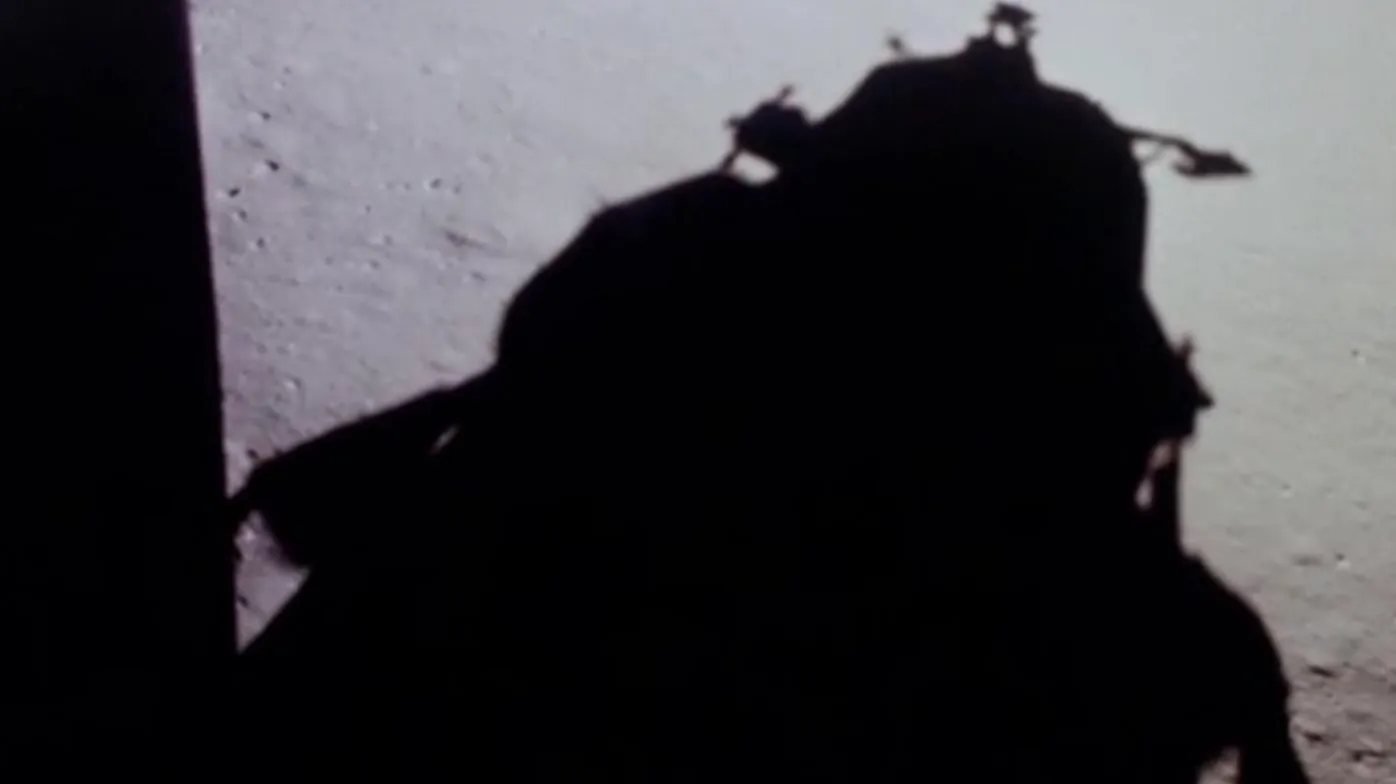
Eagle was down on the Sea of Tranquility, about four miles past its planned touchdown point.
Tranquility Base
About six and a half hours after landing, Armstrong came out of the hatch and climbed down the ladder, as a television camera sent pictures back to Earth. It was 10:56 at night on America's East Coast, and more than half a billion people were watching. His words as he stepped onto the Moon, as the recordings carry them, were: “That's one small step for man, one giant leap for mankind.” He meant to say “for a man”, but the “a” cannot be heard.
Nineteen minutes later, Aldrin followed him down. He looked around and found two words for it: “Magnificent desolation.”
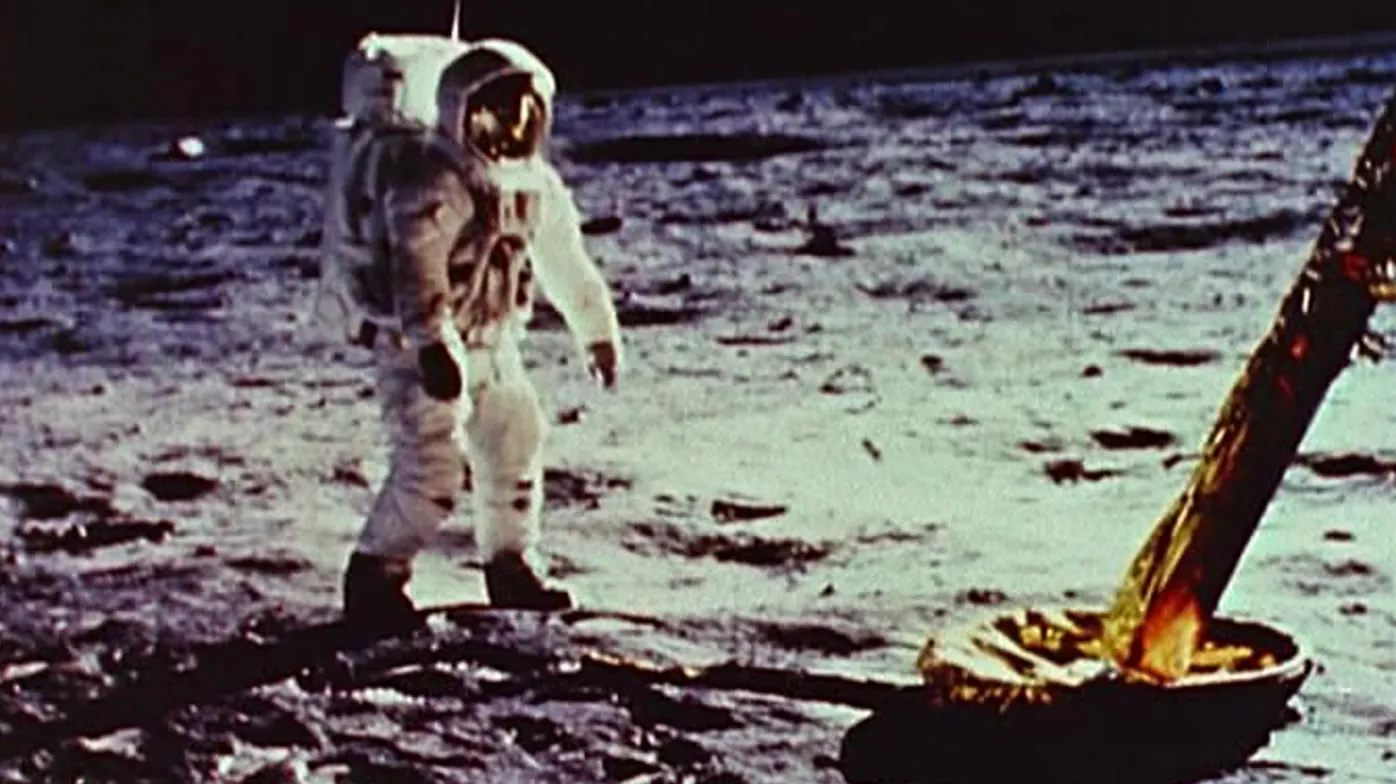
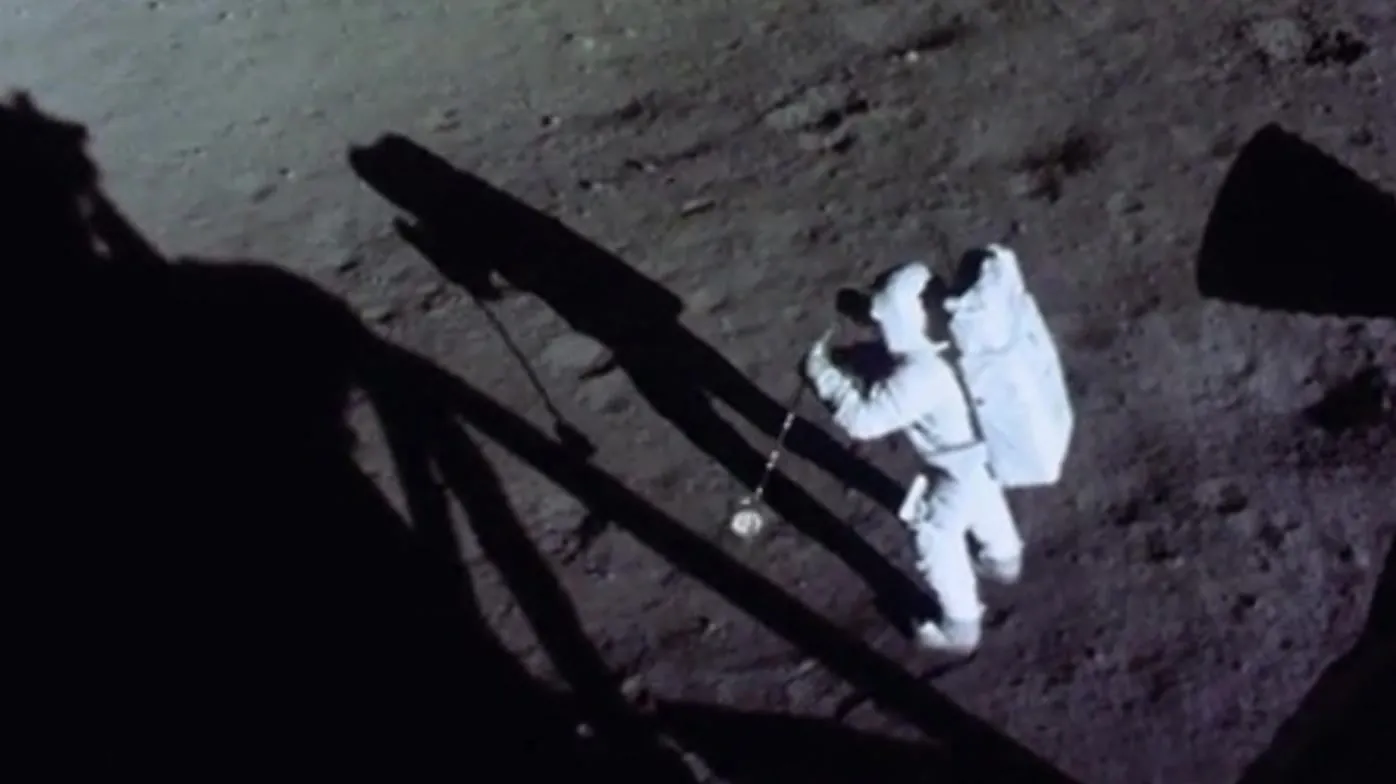
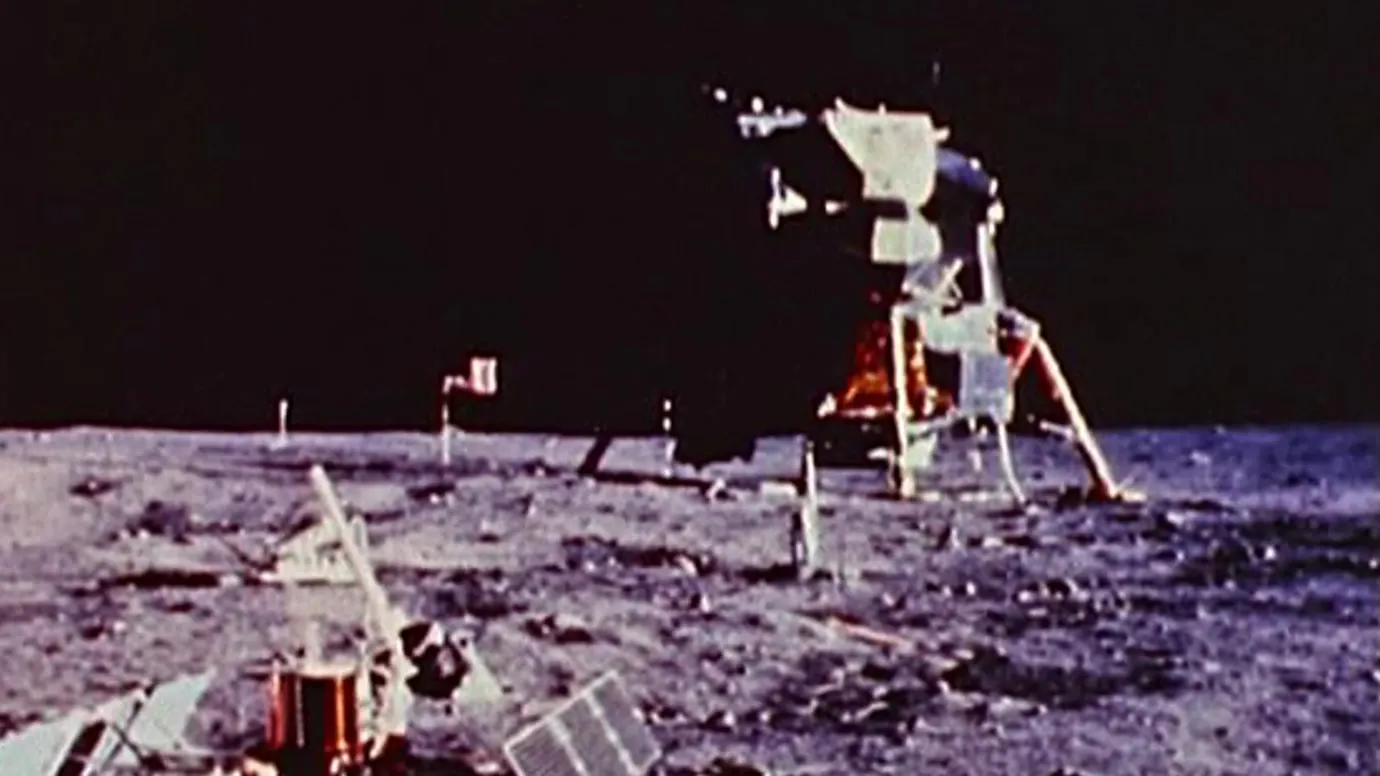
They had about two and a half hours outside. They planted an American flag and gathered 47 pounds of rock and soil, about 21 kilograms, and neither of them went more than about 200 feet, some 60 metres, from Eagle. Later in the moonwalk they set up a seismometer, and a laser reflector: a panel of 100 prisms, called corner cubes, that reflect laser pulses fired from Earth. Fifty years later, in 2019, observatories were still firing lasers at it and getting fresh data back.
They left behind the flag, a patch honouring the fallen Apollo 1 crew, and a plaque on one of Eagle's legs. Then they climbed back into Eagle to try to rest.
One engine
Getting off the Moon depended on one engine, in Eagle's upper half. There was no backup. As Tim Harmon of Rocketdyne later put it: “The ascent engine was an engine that had to work.” In his words, “You can't have redundancy for ascent from the moon.”
Inside the cabin, Aldrin's backpack had broken the circuit breaker that armed that engine. After the mission, he reported that he had pushed it in with a felt-tipped pen.
Two days before the landing, on 18 July, the White House speechwriter William Safire had drafted a statement for President Nixon, in case the astronauts were stranded on the Moon. It began: “Fate has ordained that the men who went to the moon to explore in peace will stay on the moon to rest in peace.”
On 21 July, after 21 hours and 36 minutes on the Moon, the engine lit. “Very smooth,” Aldrin reported, and then, to Houston: “Very quiet ride.” About seven minutes later, Eagle was in lunar orbit, and less than four hours after leaving the surface it docked with Columbia. Collins said later that at that point, “for the first time,” he “really felt that we were going to carry this thing off.”
Coming home
On its 31st time around the Moon, Columbia fired its engine for home. On the way back it needed just one course correction, an 11-second burn.
On 24 July it hit the top of the atmosphere at about 11 kilometres a second, about as fast as it had left. Outside the windows, the air glowed, and the heat of re-entry cut off the radio for almost four minutes. The crew felt about six and a half times their own weight.
Then came the parachutes, and a splashdown in the Pacific, south-west of Hawaii, about 15 miles from the recovery ship, USS Hornet. Columbia floated nose down, almost upside down, until flotation bags righted it. The flight had lasted eight days, three hours and 18 minutes.
Germs from the Moon were unlikely, but nobody could rule them out. A swimmer passed isolation suits in through the hatch, and the crew were decontaminated on a raft. On the Hornet, they walked into a sealed trailer, a converted Airstream, which they would share with a physician and a technician. President Nixon was waiting to greet them, and called it “the greatest week in the history of the world since the creation.”
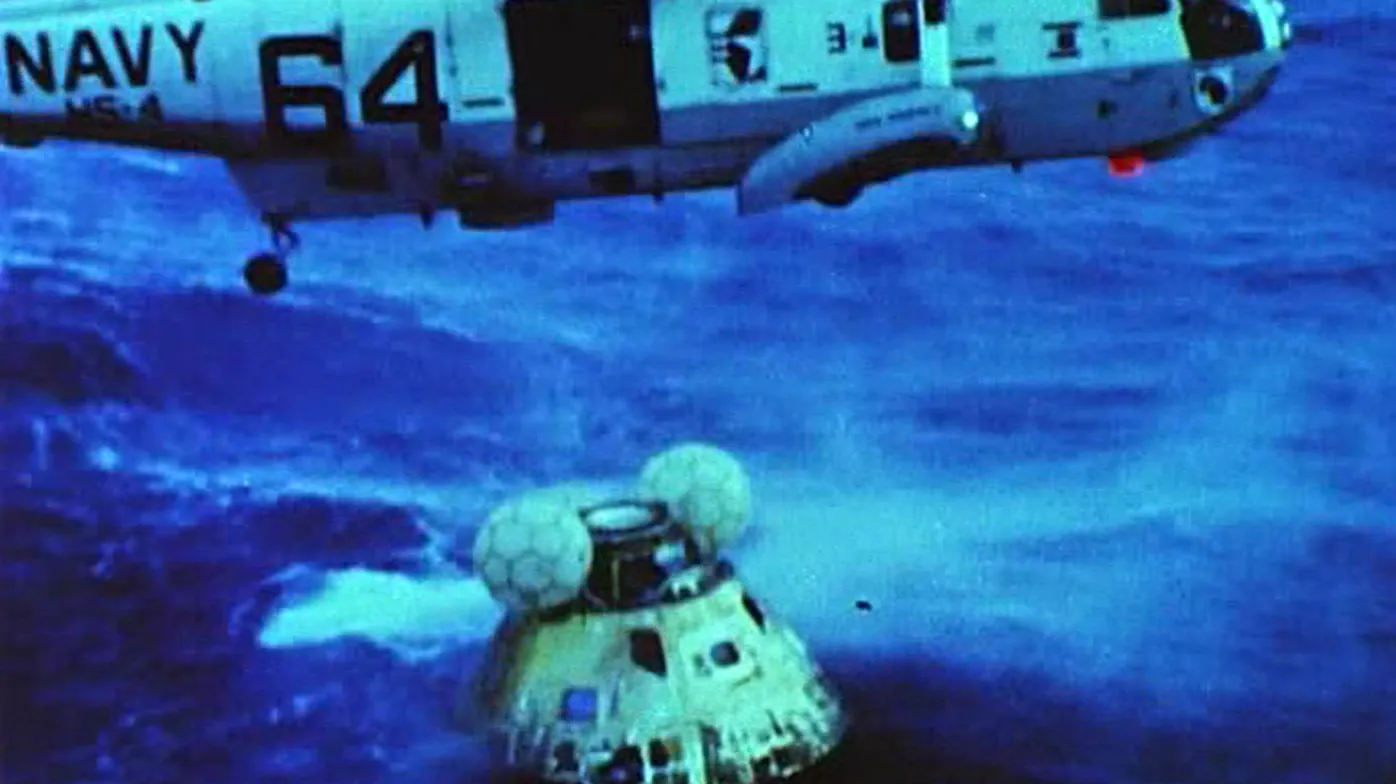
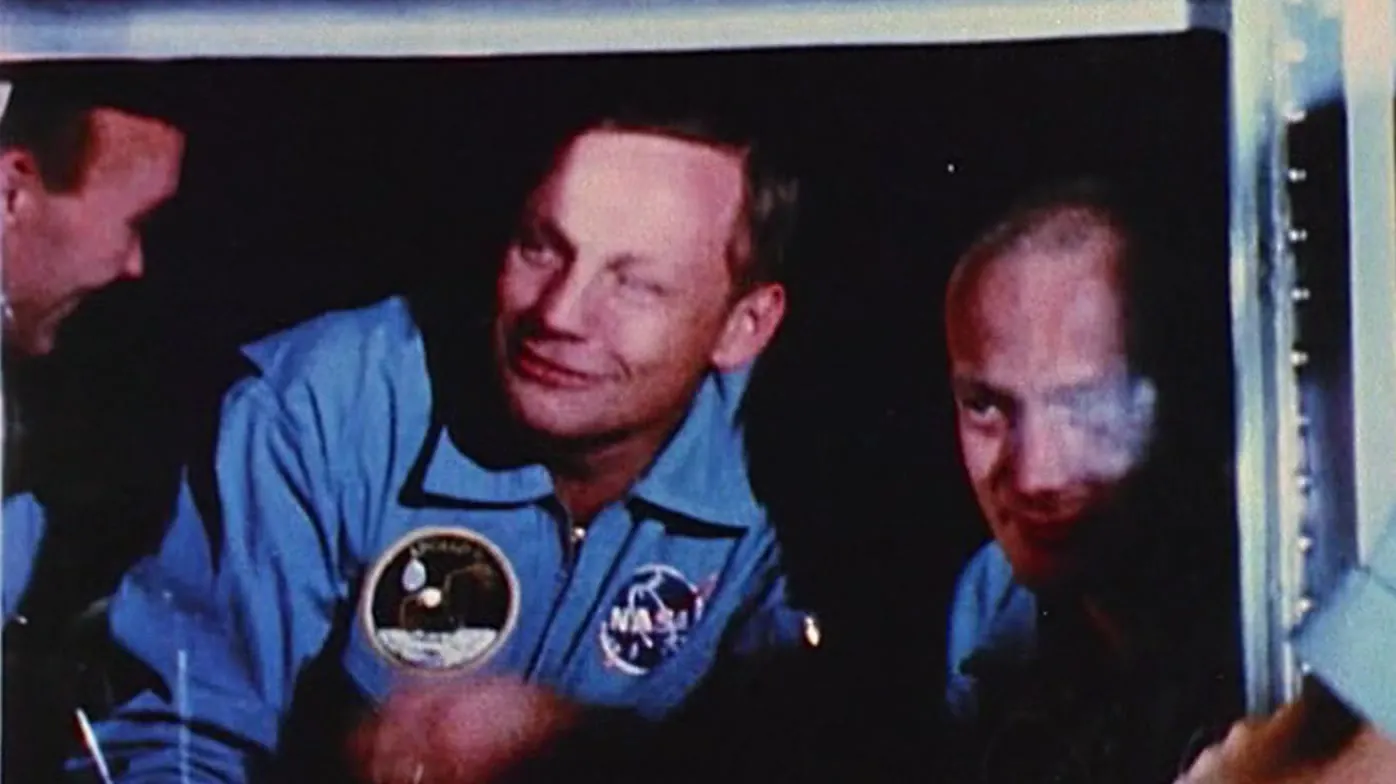
The trailer went by ship to Pearl Harbor and by air to Houston, and the quarantine went on in the Lunar Receiving Laboratory there. The crew left it on the evening of 10 August, at the end of 21 days in quarantine.
On the Sea of Tranquility, Eagle's descent stage was left behind. In images from NASA's Lunar Reconnaissance Orbiter, it can be seen from lunar orbit, along with the trails of the astronauts' footprints. And on one of its legs is the plaque that Armstrong read out to the world that night: “Here men from the planet Earth first set foot upon the moon. July 1969 A.D. We came in peace for all mankind.”